
What to Do When a Pipe Bursts at 2am
Emergency Guide
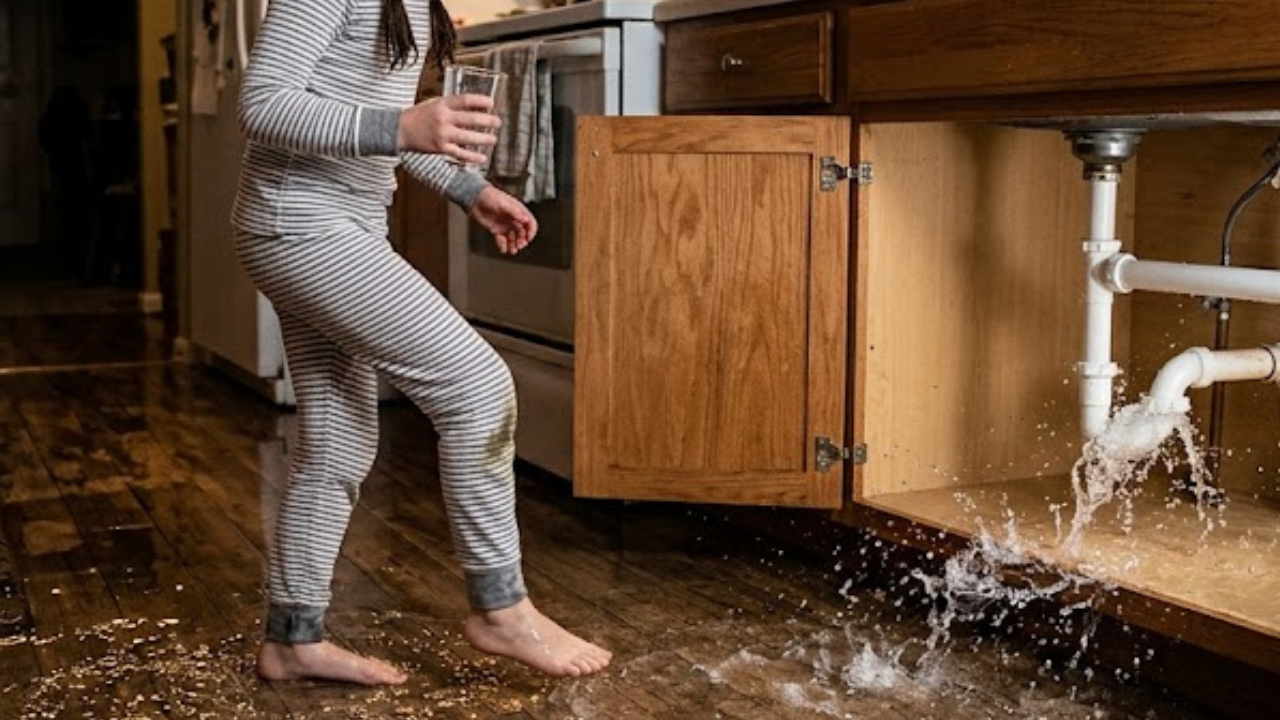
It's the middle of the night and you hear it — water rushing where it shouldn't be. Your stomach drops. A burst pipe at 2am is one of the most stressful things that can happen in your home, but if you move fast and in the right order, you can limit the damage significantly. Here's exactly what to do.
Step 1: Shut Off the Water — Right Now
Don't grab towels first. Don't call anyone first. Your first move is always the main water shutoff valve. For most homes, it's located near the front of the house, in a utility closet, under the kitchen sink, in the garage, or at the street-level meter box. Turn it clockwise until it stops. If you're in an apartment, call building management immediately — this is their emergency to handle. Once the water is off, open a faucet on the lowest floor to drain the pressure still sitting in the pipes.
Step 2: Kill the Electricity to Affected Areas
If water is near outlets, light switches, appliances, or your electrical panel — don't touch anything until you flip the breakers for those zones. Water and live current is a serious hazard that people underestimate at 3am when they're panicked.
Step 3: Document Everything Before You Touch It
Pull out your phone and shoot video of the damage before you move anything or start mopping up. Walk through every affected room. This footage is your best friend when you file an insurance claim. Wide shots, close-ups, ceiling damage, floor warping — get all of it.
Step 4: Start Containing the Water
Now you can grab the towels. Use buckets, mops, and every dry towel you have to slow the spread. If water has soaked into drywall or is pooling near baseboards, that's where mold starts — your goal is to get it as dry as possible, as fast as possible. If you have a wet/dry shop vac, use it. If not, roll towels tight against doorways to stop water from reaching other rooms.
Step 5: Call an Emergency Plumber
This is not a wait-until-morning situation. A burst pipe doesn't stay burst — it gets worse. Water is actively soaking into subfloor, framing, and insulation every minute it sits. Call a licensed plumber who offers 24/7 emergency service. When you call, tell them: where the break is (if you can locate it), what type of pipe it appears to be, whether you've shut off the main water, and how much water came through before you got it stopped. A good emergency plumber will ask you the right questions and give you an honest ETA. If they can't be there within a reasonable window, call the next one on your list.
Step 6: Call Your Insurance Company
Most homeowner and renter insurance policies cover sudden and accidental water damage — burst pipes usually qualify. Call your insurer's 24-hour claims line and open a claim right away. They may send out an adjuster or a water mitigation crew. Do not throw away any damaged items until the adjuster has seen them or given you clearance.
Step 7: Ventilate and Dry the Space
Open windows if weather allows. Run fans toward wet areas. If you have a dehumidifier, get it running. The faster the moisture leaves, the less likely you are to be dealing with mold remediation on top of pipe repair.
What Caused the Burst? Common Culprits
Knowing why it happened helps prevent it from happening again:
- Frozen pipes — most common in winter, especially in poorly insulated exterior walls or garages
- Age and corrosion — older galvanized or cast iron pipes deteriorate from the inside out
- High water pressure — pressure above 80 PSI puts chronic stress on joints and fittings
- Tree root intrusion — roots crack pipes from the outside, especially older clay sewer lines
- Physical damage — a nail through drywall, a shifted foundation, or improper repairs