
The Worst Thing You Can Put Into Your Dishwasher, According to Plumbers
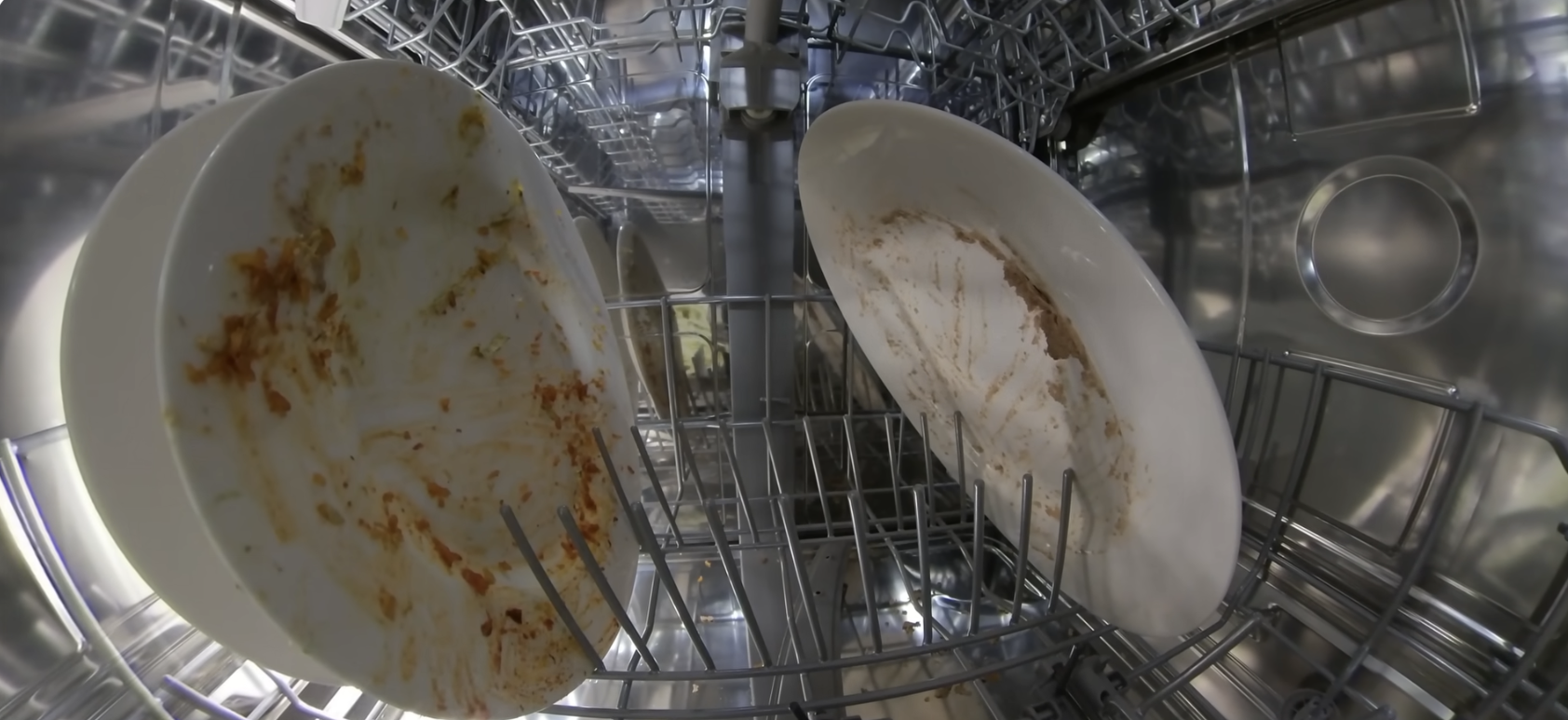
If you’ve ever wondered why your dishwasher suddenly turned into a bubbling volcano of foam, you’re not alone. Plumbers and appliance repair pros have a clear villain in mind: regular dish soap (the kind you squirt into the sink for hand-washing). It’s hands-down one of the worst mistakes you can make with your machine.
Why Dish Soap Is a Disaster
Hand dish soap is engineered to create mountains of suds. Those bubbly surfactants help you scrub grease by hand, but they’re a nightmare inside a dishwasher. The high-pressure spray arms whip the soap into a frenzy, producing thick foam that overflows from the door, leaks into electrical parts, clogs filters, spray arms, and drains, and can even damage the pump. Plumbers regularly get called out for this exact issue. The result? Soapy water all over the kitchen floor, potential water damage to cabinets and floors, and sometimes costly repairs. Dishwasher detergent, by contrast, uses low-foam formulas, enzymes, and anti-foaming agents built for the machine’s intense hot-water cycles. It rinses clean without the drama. This isn’t a marketing gimmick by detergent companies. It’s basic chemistry and engineering. Using the wrong product can leave residue, hurt cleaning performance, and shorten your dishwasher’s life.
How to Fix It (The Sudsy Nightmare)
Caught it mid-cycle? Act fast:
- 1. Stop the machine immediately — Cancel the cycle and open the door to let things settle.
- 2. Remove dishes and mop up any overflow on the floor.
- 3. Defeat the foam: Pour about ¼ to ½ cup of vegetable oil (or any cooking oil) into the bottom of the empty dishwasher. The oil helps break down and suppress the suds. Close the door and run a short rinse or quick cycle. Repeat if needed.
- 4. Vinegar boost: For stubborn suds, add white vinegar instead of (or with) the oil during rinse cycles. It cuts through soap residue effectively.
- 5. Final cleanup: Run one or two empty hot rinse cycles with no detergent until the water runs clear. Clean the filter and interior thoroughly afterward.
Once everything’s clean, switch permanently to proper dishwasher detergent or pods. Your plumber (and your floor) will thank you. Dishwashers are hardworking appliances — treat them right with the correct products, and they’ll return the favor with spotless dishes for years.